Section 301 tariffs and forced labour: navigating risk in an increasingly complex sourcing landscape
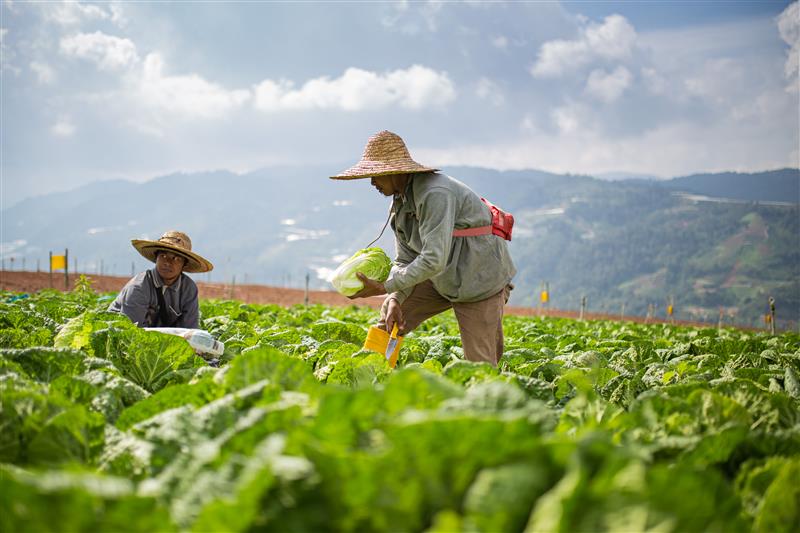
In the past few weeks, the U.S. has announced Section 301 investigations into dozens of sourcing markets, citing their failures to combat forced labour. In a global sourcing environment already riddled with complexity, we examine what this means for businesses, and how they can keep up – or start to get ahead.
Section 301 tariffs explained
Section 301 of the Trade Act of 1974 enables the U.S. Trade Representative (USTR) to investigate and retaliate against governments who it believes are unfairly competing with domestic trade. This can be in response to a number of issues deemed as giving an unfair cost or competitive advantage, and forced labour is behind the latest set of citations, impacting a broad range of markets, including Brazil, Mexico and India, as well as the UK, the EU and Australia.
Many sourcing teams have spent recent months scrambling to redesign their supply chains around prior tariffs imposed by the US administration – enacted under a range of mechanisms – including redirecting away from China. This latest development adds another piece to this already complex puzzle.
Section 301 investigations reveal hidden risks
Section 301 investigations shine light on sourcing markets historically viewed by many as low risk. Trading regions like Europe, the UK, Canada, and Australia are now under scrutiny for the perceived strength of their labour practices. The U.S. is evaluating whether their current frameworks sufficiently prevent forced labour goods from entering global commerce.
Navigating Section 301 and forced labour risk
Supply chain intelligence technology like EiQ helps brands to take a proactive approach to identifying forced labour risks in their supply chains, before or during tariff-driven shifts:
- Geography level risk ratings, including forced labour indicators, enable companies to compare risk profiles across existing and alternative sourcing markets
- Supplier and facility level risk profiles allow legal and compliance teams to prioritise enhanced due diligence, target remediation and support defensible sourcing decisions
- Auditable evidence supports responses to Section 301 scrutiny and alignment with forced labour regulations including the UFLPA and the EU Forced Labour Regulation.
The tariffs landscape is set to remain highly unpredictable – but by taking a data-driven approach to supply chain design and redesign, brands can remain resilient enough to adapt.
Related Posts
Discover more insights from our blog.

Gary Francis joins EiQ as Chief Technology Officer
EiQ has appointed Gary Francis as Chief Technology Officer, as part of a wider investment in its technology and product.

The heat signal most supply chain programmes can't see
Heat stress is now an active supply chain due diligence issue. Why one climate signal reaches worker safety, food safety and continuity at once.
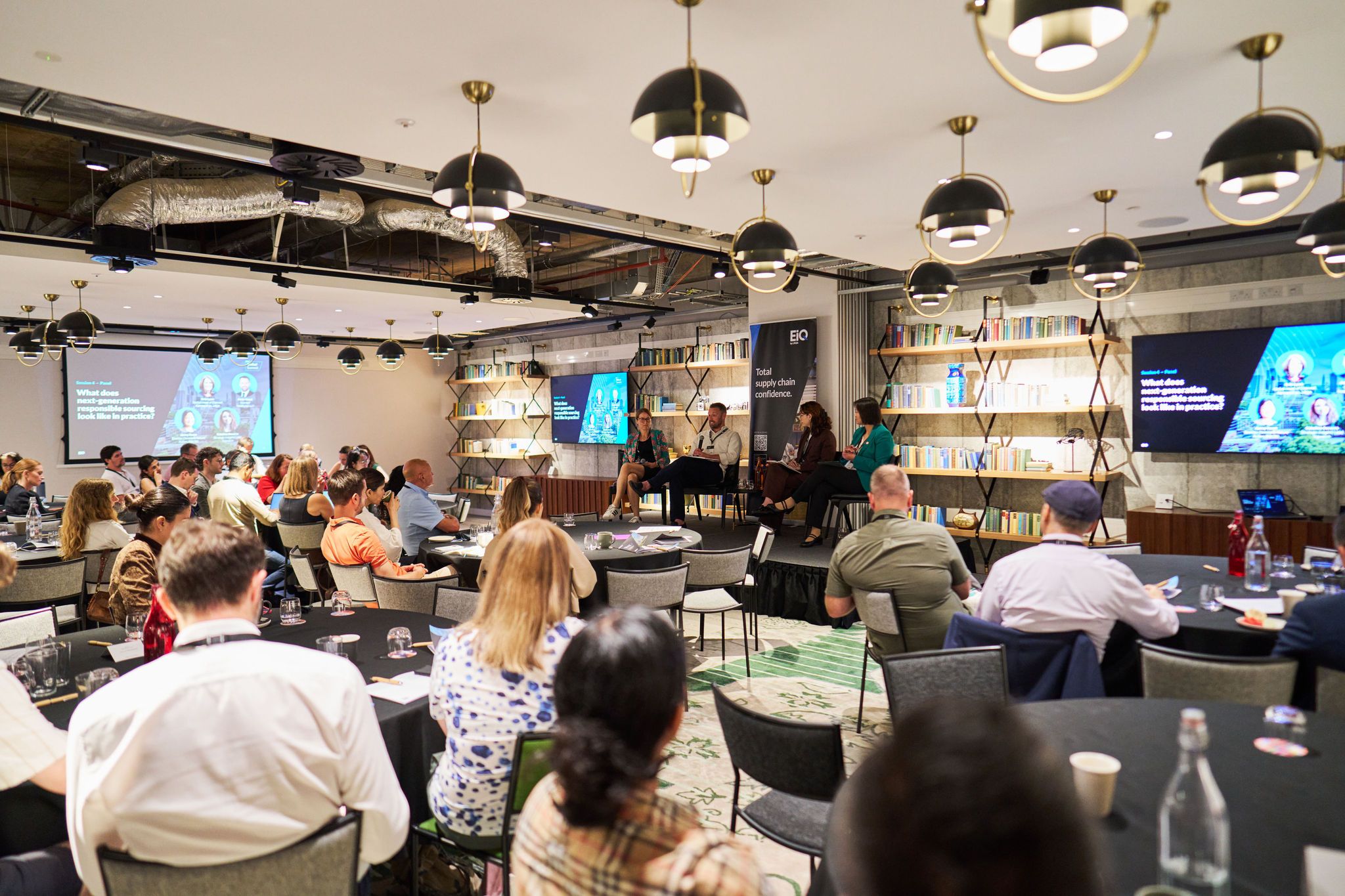
From compliance to connected risk management: what we learned at the EiQ Global Summit 2026
Key takeaways from the EiQ Global Summit 2026 in London: a rising regulatory bar, the case for connected risk management, and what AI will change about the work itself.