Child labour on the rise, US government report shows

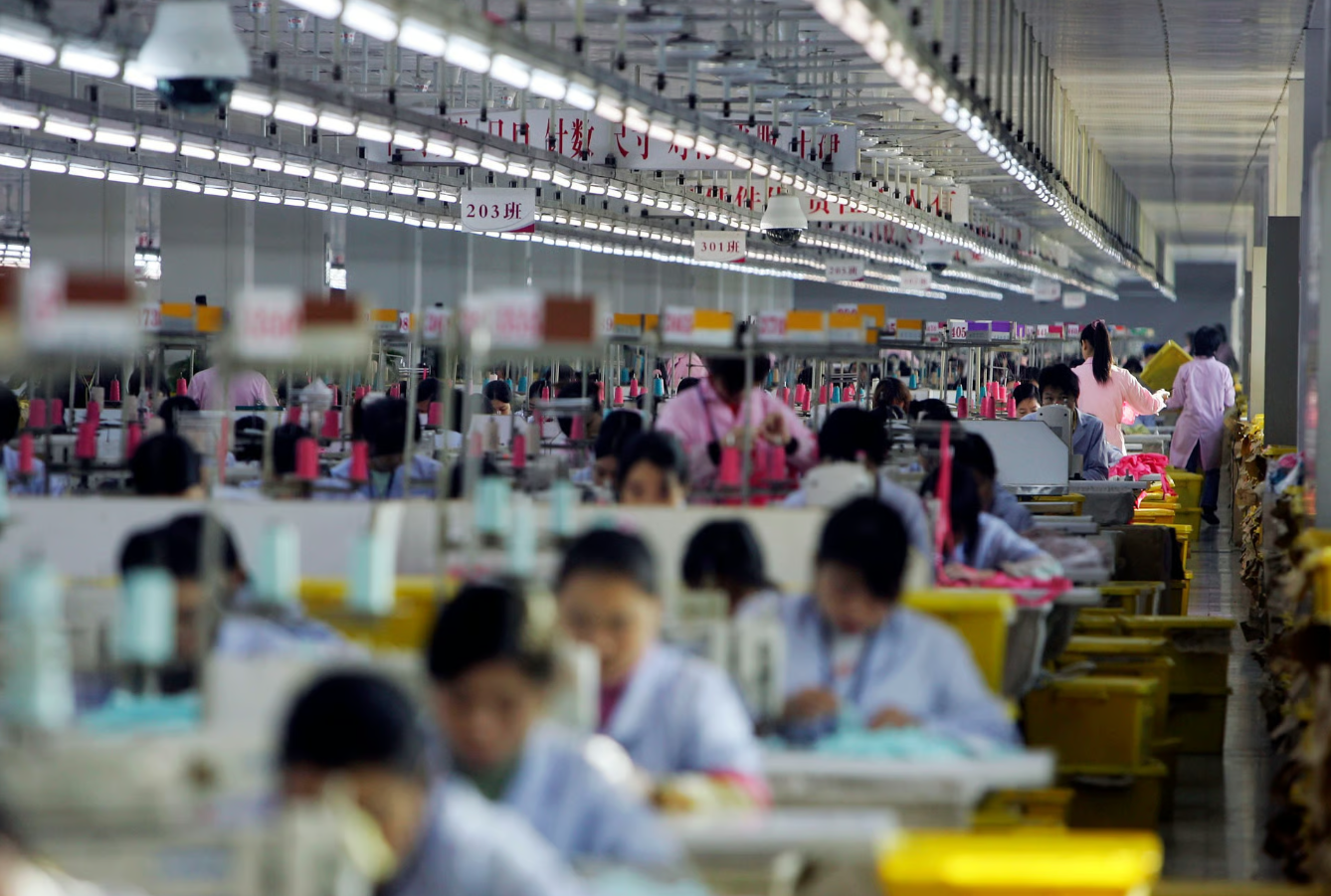
“The complexity of global supply chains is not an excuse for inaction,” the United States Bureau of International Labor Affairs (ILAB) said in its latest Findings on the Worst Forms of Child Labor report.
ILAB’s findings show global forced labour and child labour are still on the rise, despite calls for increased action from governments and businesses to implement stronger policies and due diligence strategies. “Progress in corporate responsibility and governmental efforts to combat child labor remains slow,” the report reads.
Alongside the child labour report, ILAB also released its latest List of Goods Produced by Child Labor or Forced Labor report. The reports reveals pervasive child labour situations in 131 countries and territories, including 204 goods from 82 countries that the US government has reason to believe are produced by child labour or forced labour and in violation of international standards.
To address these issues, ILAB says, “Companies need to monitor their entire supply chains, increase transparency, collaborate with stakeholders and enforce accountability.” This type of supply chain monitoring requires a more data-driven approach from responsible sourcing executives, and even from investors, to implement technologies to improve their risk analysis and risk management.
EiQ supply chain data echoes critical risk levels for child labour
Data from LRQA’s supply chain due diligence software, EiQ, also reflects ILAB’s findings. Collated from more than 25,000 onsite audits per year across more than 170 sourcing countries and provinces, EiQ data reiterates the prevalence of forced labour and child labour risks in global supply chain markets.
EiQ shows regions in the past year with the most extreme levels of child labour risk include Cambodia, Tanzania, China, India, Malaysia, Ghana, Côte d'Ivoire, among many others. Countries that showed the biggest increase in child labour risk from the previous year – meaning an increase in audit violations related to child labour – included countries such as Sri Lanka, Thailand and South Korea.
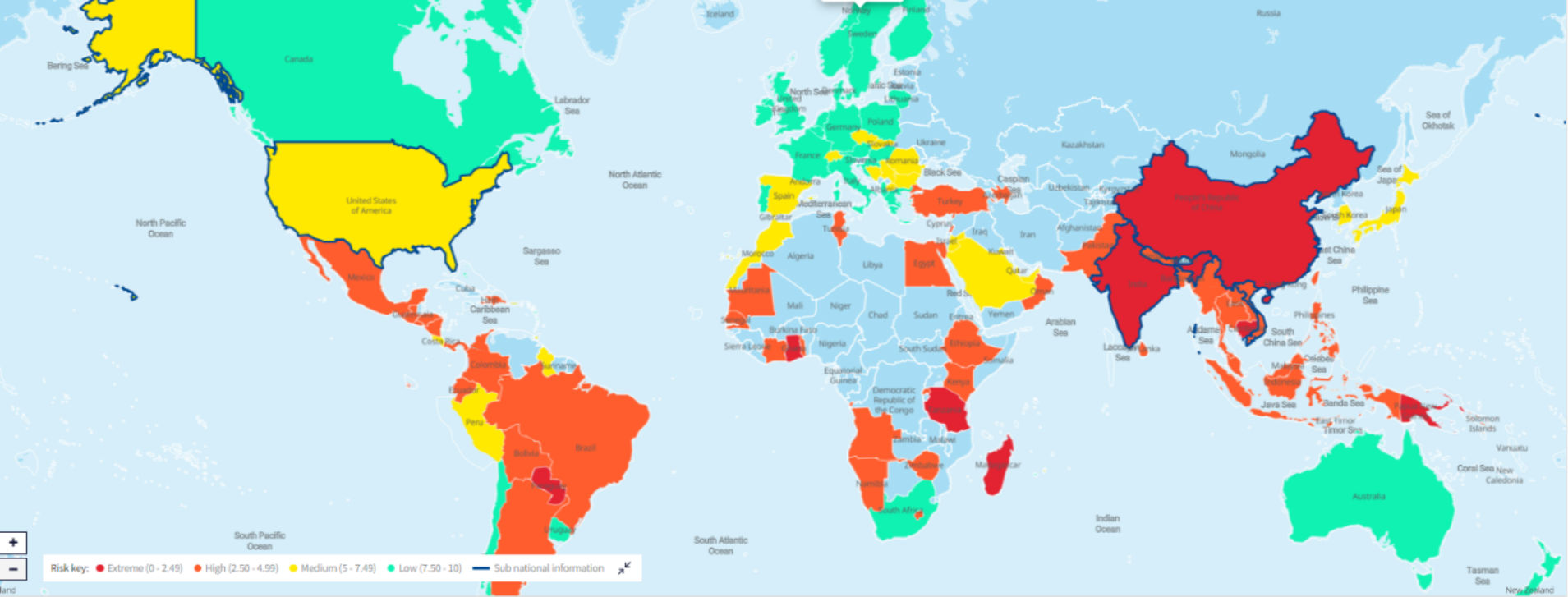
EiQ global child labour risk heat map. EiQ measures child labour risk, among other ESG risk indices, in key sourcing geographies, drawing on flags from ILAB and other trusted civil society organisations.
Once-a-year supplier audits are not enough
ILAB states that “To address these persistent issues, we need immediate and concerted efforts from governments and businesses. Corporations need to step up and eliminate these practices in their supply chains and respect worker voice and workers’ freedom of association.”
Once-a-year supplier audits are not enough. Increasing supplier visibility and gaining wider knowledge of the supply chain ESG risk landscape can empower companies to implement improved risk management and mitigation on a more continuous basis. While governments can work to regulate and legislate on human rights violations and environmental impacts, the responsibility lies with businesses to respond, take responsibility, and drive real change on-the-ground.
Each supply chain and its coinciding risks and exposure to risks are highly individualistic, and therefore a ‘one-size-fits-all’ method will not suffice. Once a company has a clearer, granular view of the risks – especially those of forced labour and child labour present in their supplier base - organisations can then implement the right tools and technologies to monitor, mitigate, and deploy corrective measures to these critical instances.
Related Posts
Discover more insights from our blog.
The heat signal most supply chain programmes can't see
Heat stress is now an active supply chain due diligence issue. Why one climate signal reaches worker safety, food safety and continuity at once.
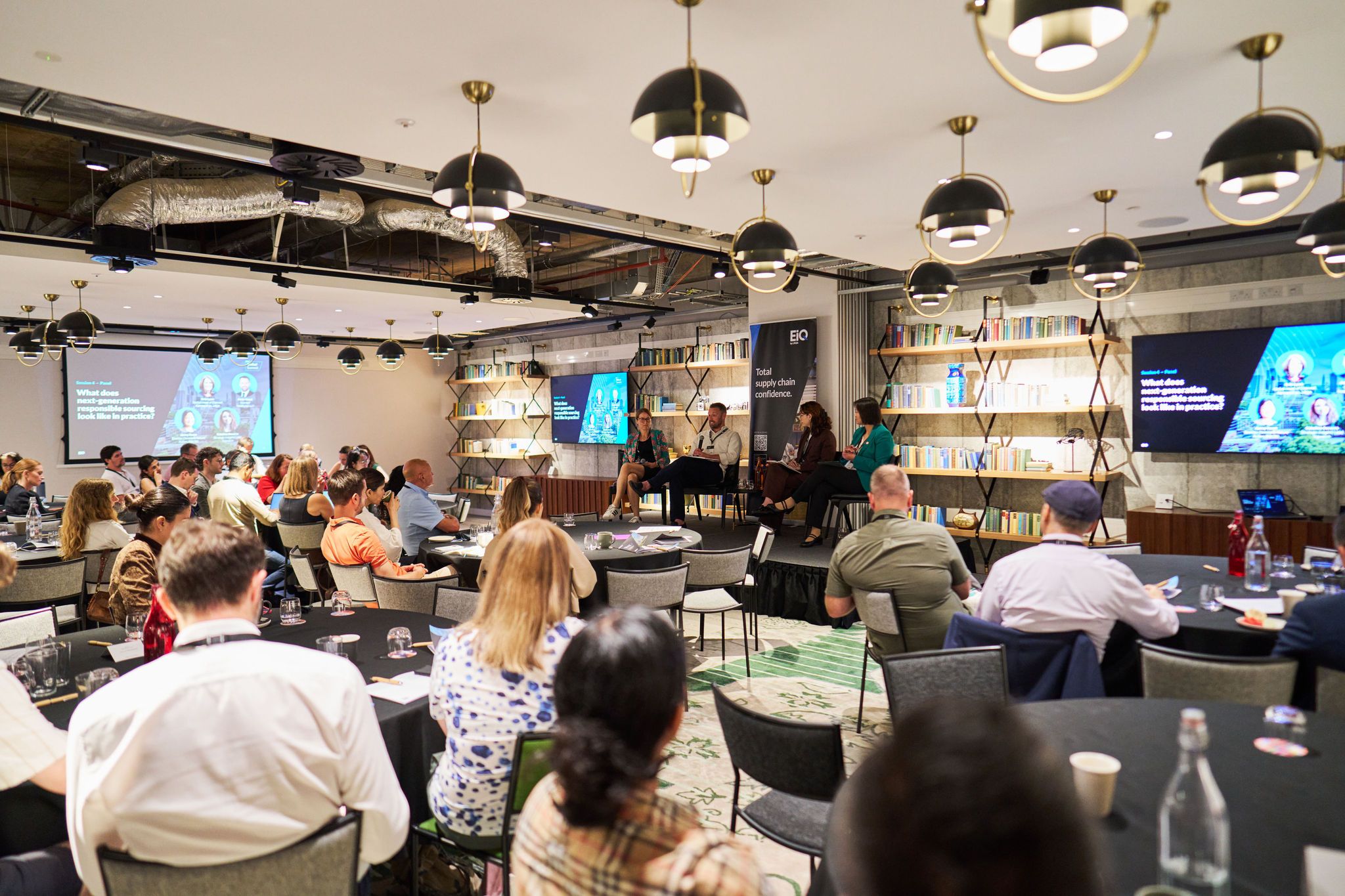
From compliance to connected risk management: what we learned at the EiQ Global Summit 2026
Key takeaways from the EiQ Global Summit 2026 in London: a rising regulatory bar, the case for connected risk management, and what AI will change about the work itself.
The myth of the safe sourcing market: why reputation does not equal risk data
Just how safe is a "safe" sourcing market? Reputation and heritage are not the same as risk data. The gap between them is dangerous.