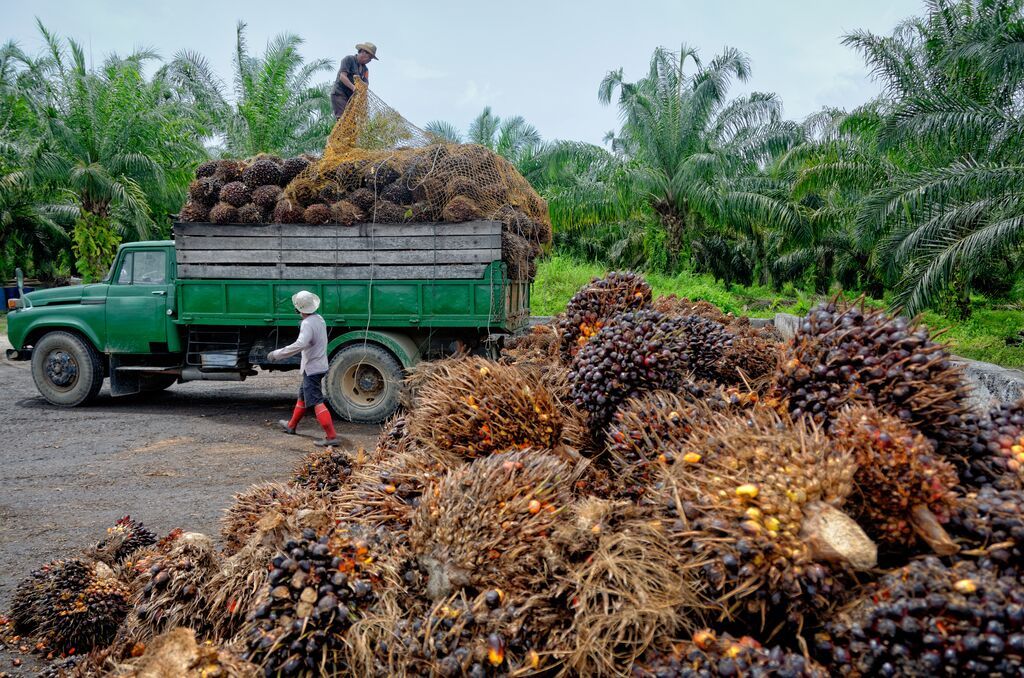
A condition of entry to the EU market for seven commodities.
Cattle, cocoa, coffee, oil palm, rubber, soya and wood, and the products made from them that are listed in the Regulation, can only be placed on the EU market, made available on it or exported from it if they are deforestation-free, produced legally and covered by a due diligence statement.
European Union; applies to imports, EU production and exports
Product-based due diligence
In force; amended December 2025
30 December 2026 (large and medium companies); 30 June 2027 (micro and small)
The essentials
At a glance
The questions in-scope teams tend to ask first: does this apply to us, how far it reaches, and what happens if we do not comply?
For responsible sourcing and compliance
What EUDR means for your sourcing programme
EUDR is checked product by product. Before a covered product goes on the market or leaves the EU, the company placing it there files a due diligence statement in the EU Information System confirming that the risk of non-compliance is negligible. That statement rests on information most companies do not hold themselves: which plot the commodity came from, when it was produced, who supplied it and in what quantity. That information sits with suppliers, often several tiers away.
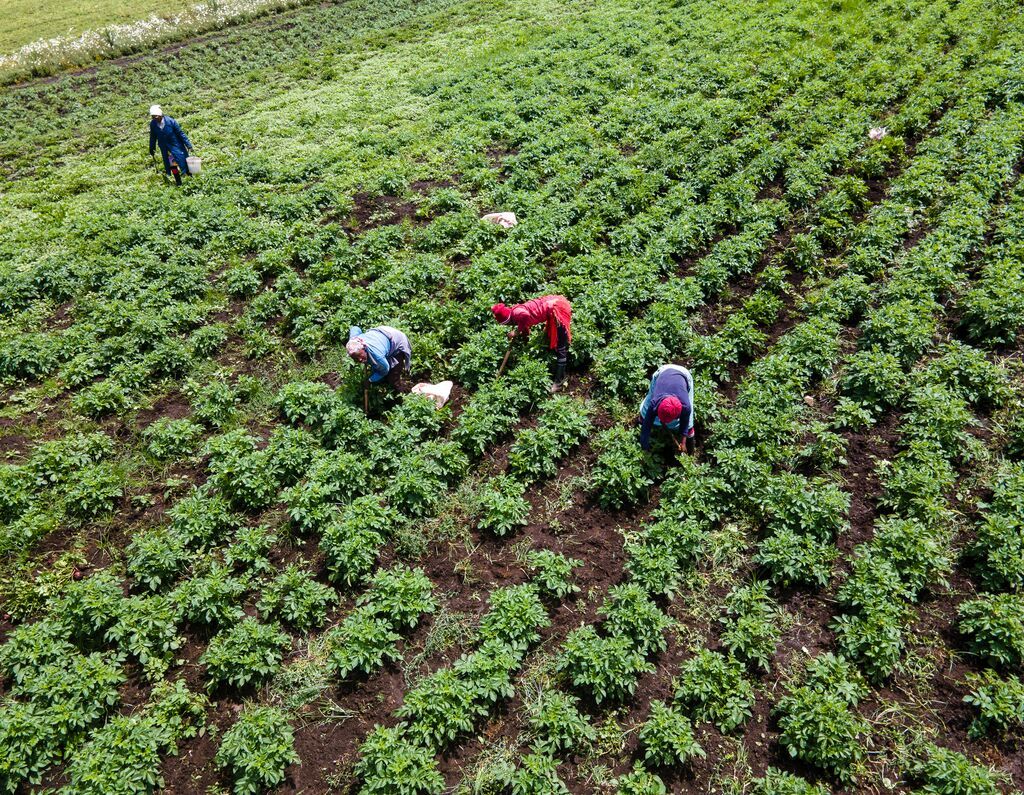
For cocoa, coffee and natural rubber, much of the volume comes from smallholders. Thousands of small farms can feed one cooperative or trader, and plot data collected at the farm has to pass through each aggregator without being lost or mixed with volume of unknown origin. Certification helps with the risk assessment, but the Commission treats it as supporting information, not as proof of compliance.
The December 2025 amendment moved most of the paperwork to the first company in the chain. Companies further down no longer file their own statements. They must hold the details of their suppliers and customers and the reference number of the statement that came with the product, and those that are not SMEs must also register in the Information System and keep records for at least five years.
The obligations
What EUDR asks of you
Article 3 sets three conditions for every covered product: it is deforestation-free, it was produced in line with the relevant legislation of the country of production, and it is covered by a due diligence statement. What you have to do to meet them depends on where you sit in the chain.

If you place the product on the market first
Companies that first place a covered product on the EU market, or export it, are operators. They carry the full due diligence duty.
- Collect the information. For each product, record the country of production, the geolocation of every plot and the date or period of production, the supplier and the customer, the quantity, and verifiable evidence that the product is deforestation-free and was produced legally.
- Assess the risk. Take account of the country classification, the presence of forests and of indigenous peoples, corruption and weak law enforcement, the complexity of the supply chain and the risk of mixing with products of unknown origin.
- Mitigate until the risk is negligible. Request more information, commission independent surveys or audits, or support suppliers, smallholders in particular, through capacity building. A product cannot be placed on the market until the risk is negligible.
- File the statement and keep the records. Submit the due diligence statement before the product is placed on the market or exported, keep the documentation for at least five years and review the due diligence system every year. Operators that are not SMEs also report publicly each year on their system.
Key dates
The road to application
The Regulation has been in force since June 2023 and has been postponed twice. The current dates were set by the December 2025 amendment, and the Commission’s simplification review in May 2026 proposed no further changes to the legal text.
Contact
Understand your exposure under EUDR
Talk to our team about which of your products are in scope, and about the evidence your due diligence statements would rest on.
Related regulations
Use left and right arrow keys to navigate slides. Slide 1 of 3.

Australia's modern slavery reform: why waiting is the expensive option
Australia is consulting on a criminal offence for failing to prevent modern slavery. But the defence rests on evidence, and evidence takes time to build.
Read more