Australia's modern slavery reform: why waiting is the expensive option

The reflex to wait
Most Australian companies we speak with are waiting this one out. The reform is not confirmed, the drafting has not been published, and the expectation is that any new obligation will be phased in. Modern slavery reporting has been part of corporate life in Australia since 2019, so the reflex is familiar: wait for the detail, then respond to it.
On 16 July 2026 the Attorney-General, Michelle Rowland, announced the government's intention to create a criminal offence for failing to prevent modern slavery in supply chains. Public consultation on the design of that offence ran from 21 August and closed on 25 September 2026.
What Australia is proposing
The proposed offence would apply to corporations with annual consolidated revenue above AUD $100 million, matching the existing reporting threshold under the Modern Slavery Act 2018. A company would be able to defend itself by showing it took reasonable steps to prevent modern slavery in its supply chain.
The model is not new. Australia introduced a failure to prevent foreign bribery offence into the Criminal Code on 8 September 2024, with a defence for companies that had adequate procedures in place. The modern slavery version would work the same way, which means companies already have a reference point for what this kind of defence asks of them.
Separately, the government intends to introduce civil penalties and stronger enforcement powers for companies that fail to meet their existing reporting obligations. Today, no financial penalty applies.
The consultation paper proposes an implementation period of 12 to 18 months once legislation commences.
Erin Lyon of LRQA and JP Stevenson of EiQ discussed what a second generation of modern slavery legislation might demand in a recent episode of EiQ Voices.
Why a comfortable country rating is not reassurance
Australian companies often start from the position that modern slavery is a problem that happens somewhere else. Years of reporting have done little to challenge that view, because the Act never required anyone to go and look.
EiQ has rated several developed markets as high risk for forced labour since 2021. Strong labour law does not guarantee strong labour practice, and the difference is widest in work that is contracted out. Italian luxury manufacturing is the clearest recent example. The problems were found in small workshops several steps down the chain, not at the suppliers the brands dealt with directly.
What EiQ's data shows about Australian sectors
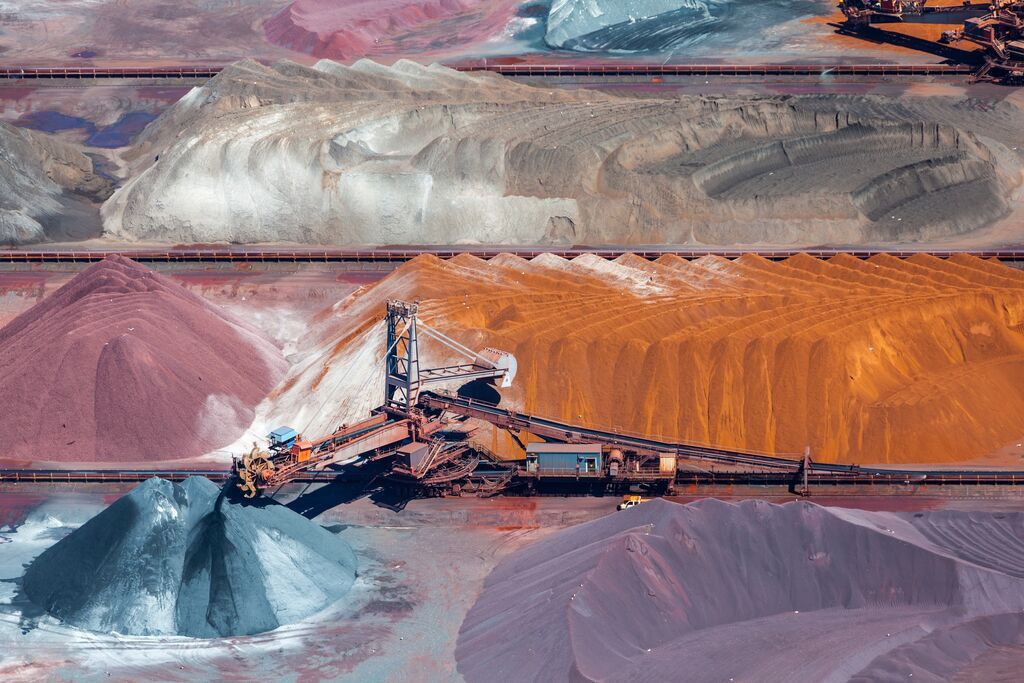
Our data shows mining and quarrying as the highest-risk Australian sector we cover, with forestry and logging close behind. Both involve remote worksites, layered contracting and workforces the buyer never meets.
Apparel sits around the middle of the ranking, as does farming, agriculture and aquaculture. But the commodity view tells a different story. Some of Australia's riskiest commodities are seasonal crops – berries, cherries, mangoes, sugarcane – which sit inside that middle-ranking agricultural sector. The sector average hides the crops that depend on short-term labour arrangements, and those are the hardest to see into.
Where risk concentrates in developed markets
The pattern behind those results is consistent across developed markets. The same working arrangements come up again and again:
- Labour hire and recruitment agents standing between the employer and the worker
- Visa-dependent employment, where leaving the job can mean leaving the country
- Seasonal peaks that pull in large temporary workforces at short notice
- Work subcontracted below tier one, where the buyer has no direct relationship
Risk concentrates wherever the company has the least direct relationship with the people doing the work – regardless of which country the supplier is in.
Mining shows how indirect that relationship can become. A data centre, an automotive manufacturer and a renewable energy developer all have mining in their supply chains, yet none of them would describe themselves as extractive businesses. All three carry the risk whether they are looking for it or not.
What "reasonable steps" will ask you to produce
A reasonable steps defence runs on records. That means risk assessments that were carried out before an issue arose, supplier engagement that can be traced, and remediation that was followed through and documented.
None of that can be assembled after an allegation is made. Nor is the implementation period as generous as it sounds. Mapping below tier one, engaging suppliers and documenting what came of it takes most companies longer than they expect.
That is the real cost of waiting. Not the penalty, which is still being designed, but the years of evidence that can only be gathered before you need them.
Where to start
Our APAC team is running readiness assessments against the proposed requirements. To find out more, email eiq@lrqa.com or contact us below.
Related Posts
Discover more insights from our blog.
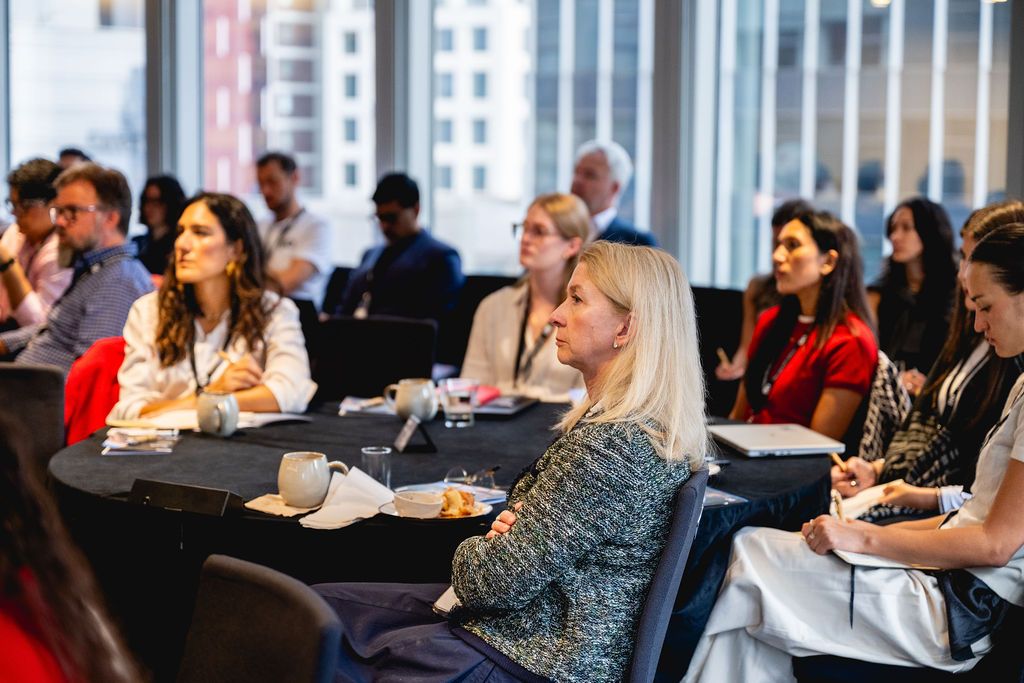
Building for volatility: what we learned at the EiQ Global Summit in New York
What responsible sourcing and procurement leaders discussed at the EiQ Global Summit in New York, September 2026

EiQ by LRQA positioned as an Innovator in the 2026 Verdantix Green Quadrant
EiQ has been positioned as an Innovator in the Verdantix Green Quadrant: Supply Chain Sustainability Software (2026) – an independent benchmark of 16 providers.

Gary Francis joins EiQ as Chief Technology Officer
EiQ has appointed Gary Francis as Chief Technology Officer, as part of a wider investment in its technology and product.